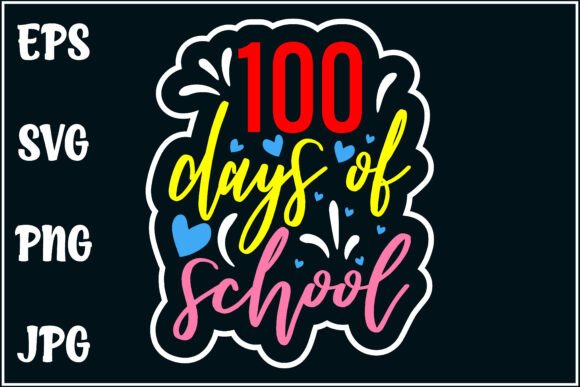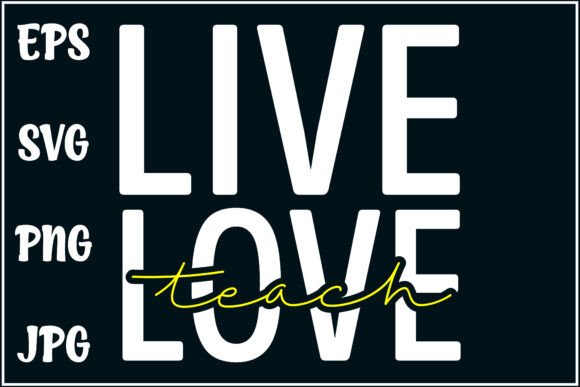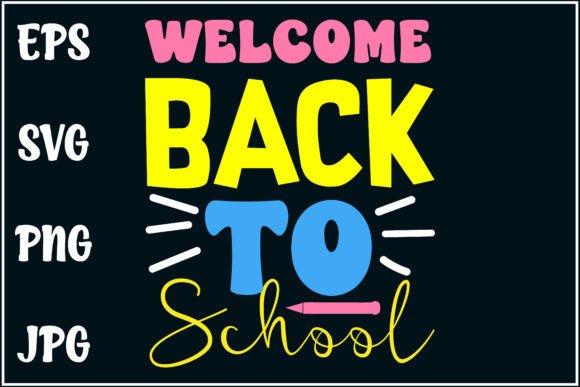
Reviewing the Welcome Back School Student Tee Design
As an embroidery designer who has spent years digitizing patterns and troubleshooting stitch-outs for small business owners, I approach every new machine embroidery design with a mix of curiosity and caution. We have all been there: you download a cute graphic, load it onto your machine, and hope for the best. But when it comes to commercial viability and professional presentation, hope is not a strategy. Recently, I took a close look at the Welcome Back School, Student Tee design to see if it holds up under the needle. This isn’t just about whether it looks good on a screen; it is about how it performs as a finished product in the real world.
First Impressions and Visual Personality
The first thing that strikes me about the Welcome Back School, Student Tee is its thematic clarity. It captures that specific, nostalgic excitement of the back-to-school season without feeling overly childish or cluttered. For those of us creating T-Shirt Designs and other apparel Graphics, balance is everything. The layout appears to prioritize readability and visual impact, which is crucial when translating digital lines into thread.
The mood is welcoming and energetic, making it an ideal candidate for late summer and early autumn production cycles. When I visualize this design stitched out, I see it working best on casual, comfortable garments. It does not scream "high-fashion couture," but it certainly whispers "quality handmade gift." The visual personality suggests a design that relies on clean lines and perhaps a mix of stitch types to create depth. For an Etsy seller or a craft business owner, this kind of clear, thematic imagery is gold because it communicates its purpose instantly to potential buyers scrolling through feeds.
Real-World Application and Versatility
Let’s talk about where this design actually lives. While the title suggests a tee, the versatility of this digital embroidery file extends far beyond cotton t-shirts. I recently simulated a project using a similar back-to-school theme on a canvas tote bag design. The result was sturdy and charming. Imagine a parent buying a personalized backpack or a lunch sack for their child. The Welcome Back School, Student Tee design could easily be adapted for these items, provided you scale it correctly.
For sweatshirt embroidery, this design shines. Hoodies and jumpers provide a thicker fabric base that can handle higher stitch density without puckering. If you are running a small shop product line, offering this on heavyweight fleece creates a premium feel. It also works well for baby embroidery projects, such as bibs or onesies, though you must be mindful of the scale. A design that looks proportional on an adult XL tee will overwhelm a infant garment. Always adjust your hoop size and scaling to match the recipient.
Beyond apparel, consider home goods. A kitchen towel or a pillow cover featuring this motif makes for a thoughtful personalized gift for teachers. Teachers’ appreciation gifts are a massive market segment in August and September. By positioning this design as part of a teacher-focused collection, you expand your customer base beyond just students. This is the kind of strategic thinking that separates a hobbyist from a successful commercial embroidery operator.
Technical Considerations for Stitching
Now, let’s get into the nitty-gritty of stitching. Since the product description notes that the files are compressed in a ZIP file, you will need to extract them before loading them into your software. This is standard, but always check the included formats to ensure compatibility with your specific machine. Before you commit to a final piece, you must address several technical factors.
Fabric texture plays a huge role in the outcome. If you are stitching on a smooth, high-quality cotton, the details will pop. However, if you are using a textured fleece or a ribbed knit, some finer details might get lost. I recommend using a cut-away stabilizer for stretchy fabrics like t-shirt jersey to prevent distortion. For woven fabrics like tote bags or aprons, a tear-away stabilizer might suffice, but test it first. Puckering is the enemy of professionalism, and no amount of cute design can save a puckered shirt.
Pay attention to thread colors. The design likely relies on contrast to be legible. If you are stitching on a dark garment, ensure your thread palette is bright enough to stand out. Conversely, on light fabrics, avoid threads that are too pale, or the design will wash out. I always advise running a test on scrap fabric of the same type and color as your final product. Check for thread breaks, tension issues, and overall clarity. If the design includes small lettering, verify that it remains readable at your chosen size. Tiny text can easily turn into a blob of thread if the resolution is too low or the hoop size is too small.
Navigating Limitations and Challenges
No design is perfect for every situation. There are places where you should use the Welcome Back School, Student Tee with caution. Curved surfaces, such as caps or hats, require careful hooping and possibly a different digitizing approach than flat garments. If this design was not specifically digitized for caps, attempting to stitch it on a curved surface could lead to distortion or registration errors.
Additionally, be wary of dense stitch areas on thin fabrics. If the design uses heavy fill stitch regions, it might stiffen the fabric uncomfortably. For items that need frequent washing, such as school uniforms or daily wear tees, ensure that the applique design elements (if any) are securely anchored. Loose threads or poor underlay stitching can unravel after a few cycles in the washer, leading to customer complaints. Always check the license terms before selling. Just because you bought the file does not automatically grant you unlimited commercial rights. Confirm whether you can sell finished items or if there are restrictions on mass production.
Enhancing Product Value and Brand Trust
Ultimately, the goal of using a design like this is to create a finished product that customers value. A well-executed embroidery project signals quality. It shows that you care about detail, from the choice of thread to the neatness of the backing. When a customer receives a custom apparel item with crisp, clean stitching, they are more likely to leave a positive review and return for future purchases. This builds brand consistency and trust.
Use printable mockup tools to showcase your work online. High-quality images of the design on various products help customers visualize the end result. Whether you are selling design assets or physical goods, presentation matters. The Welcome Back School, Student Tee has the potential to be a staple in your seasonal lineup if treated with respect and technical precision. It is not just a graphic; it is a tool for connection, celebration, and creativity. Treat it as such, and it will serve your business well.
In conclusion, this design offers a solid foundation for back-to-school merchandise. By understanding its strengths, respecting its limitations, and applying professional embroidery practices, you can create items that delight customers and elevate your brand. Happy stitching.