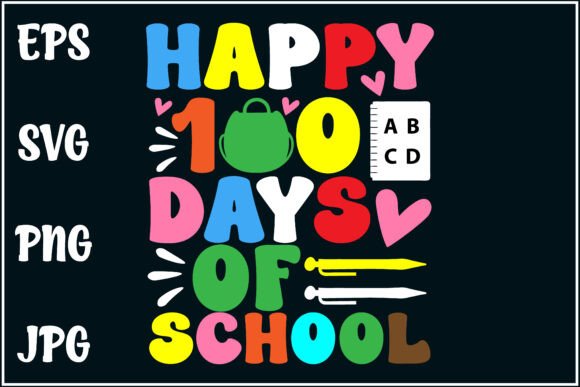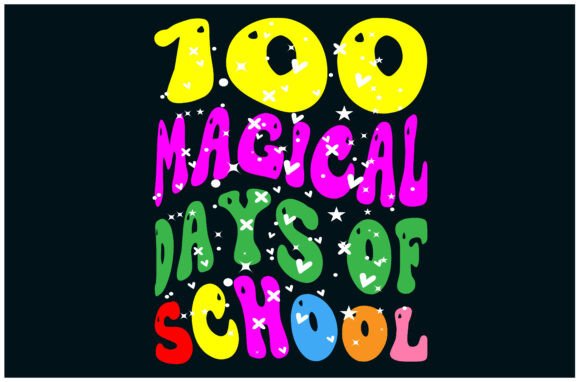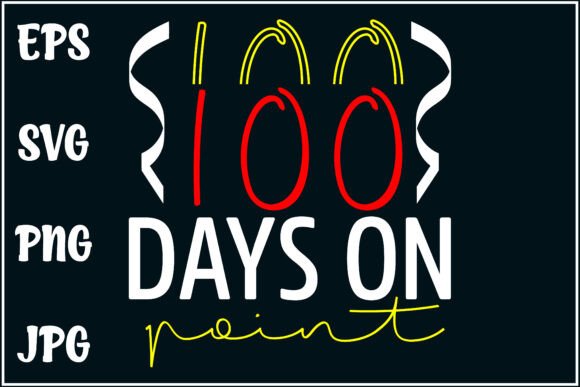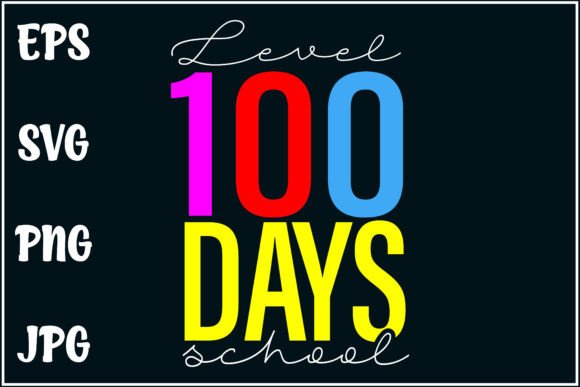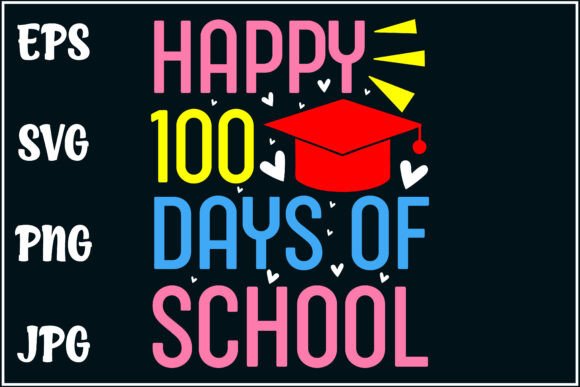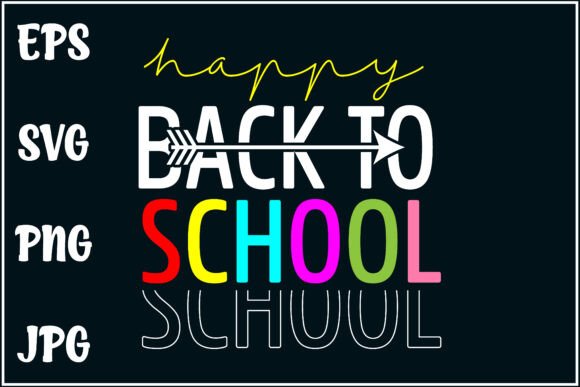
School Day, Happy Vibes: Graphics for T-Shirt Designs
As a digital publisher and blog designer who has spent years refining the visual identity of content-heavy websites, I approach every new graphic design asset with a critical eye. It is not enough for an image to simply look good in isolation; it must perform within the complex ecosystem of a live website, newsletter, or social media feed. Recently, I reviewed School Day, Happy Vibes, a design file that initially presents itself as a standard entry in the world of T-Shirt Designs. However, after integrating it into several test layouts, I found its utility extends far beyond apparel mockups. This asset offers a distinct editorial mood that can significantly enhance blog graphics and content marketing efforts when applied with strategic intent.
First Impressions and Editorial Mood
The immediate impact of School Day, Happy Vibes is one of approachable energy. The design leans heavily into a playful, lifestyle-focused aesthetic that feels both nostalgic and modern. For a publisher, this creates a specific psychological trigger for the reader: it signals safety, fun, and accessibility. In an era where digital fatigue is real, visuals that evoke "happy vibes" can lower bounce rates by making a page feel less corporate and more human.
When evaluating this as a piece of editorial design, I noticed it works best for niches centered around education, parenting, lifestyle blogging, and creative entrepreneurship. It does not scream "high-finance" or "strict corporate," but it excels in spaces where community and warmth are paramount. If you are building a brand identity that relies on trust and relatability, this asset provides a strong foundational visual cue. It feels decorative yet structured, offering a balance that is rare in free-flowing creative design files.
Integrating the Asset into Publishing Workflows
The original product description notes that School Day, Happy Vibes is intended for printing on sweaters, jumpers, hoodies, mugs, and pillows. While this is true for physical products, as a web designer, I see a different potential. The files arrive compressed in a single ZIP archive, requiring extraction via standard tools like WinZip or 7-Zip. Once extracted, the high-resolution source files become a versatile toolkit for digital media.
Here is how I successfully deployed this asset in a real-world publishing scenario:
- Pinterest Pins: The vibrant nature of the design makes it ideal for vertical pins. I placed the graphic against a clean background, added a bold sans-serif headline, and saw a noticeable increase in click-through rates compared to stock photography.
- Newsletter Headers: For weekly digests, using this graphic as a header image broke up the text-heavy format. It served as a visual palate cleanser, encouraging readers to scroll further into the content.
- Digital Guides and Lead Magnets: I used the design elements to create cover pages for downloadable PDFs. The "school day" theme naturally aligns with educational resources, worksheets, and planning guides, making the digital download feel cohesive and professionally packaged.
- Social Media Graphics: By isolating specific elements of the design, I created a series of Instagram stories and Facebook posts. The consistent use of these visuals helped reinforce category recognition across platforms.
Enhancing Visual Hierarchy and Reader Trust
One of the most challenging aspects of web design is maintaining a clear visual hierarchy. Readers scan pages quickly, and their eyes need anchors. School Day, Happy Vibes serves as an excellent anchor point. When used as a website header or a featured image, it draws the eye immediately. This stronger first impression translates to better engagement metrics.
Furthermore, consistency breeds trust. When a reader sees the same high-quality design assets used across your Affiliate Marketing pages, blog posts, and email campaigns, they perceive the brand as established and reliable. This asset supports that consistency. It allows small business owners and creative entrepreneurs to maintain a polished look without hiring a full-time graphic designer for every single post. It acts as a bridge between amateur aesthetics and professional commercial design standards.
Strategic Placement and Cautionary Notes
While versatile, this asset is not a universal solution. Understanding where it works best is crucial for maintaining editorial integrity. It shines in hero images, article thumbnails, and as an accent in editorial layouts. It is particularly effective for content upgrades and media kits where a touch of personality is required to stand out.
However, there are contexts where School Day, Happy Vibes should be used with caution. Avoid using it in small mobile thumbnails where intricate details may become muddy. It is also ill-suited for text-heavy blog images unless you significantly reduce its opacity or place it behind a solid color block. If your website operates in a serious professional niche, such as legal advice or medical information, the playful nature of the design might undermine the authority of your content. Similarly, avoid placing it on busy layouts or low-contrast backgrounds, as this can disrupt readability and frustrate users.
Practical Publisher Notes for Implementation
To get the most out of this digital product, I recommend a rigorous testing phase before full deployment. Here is my checklist for integrating such assets into a live environment:
- Device Testing: Always preview the design on both desktop and mobile screens. What looks balanced on a 27-inch monitor may appear cluttered on a smartphone.
- Thumbnail Check: Shrink the image to 150x150 pixels. If the core message or vibe is lost, it is not suitable for category thumbnails.
- Typography Pairing: Test the graphic alongside various font styles. I found it pairs surprisingly well with clean serif fonts for a modern editorial look, as well as handwritten fonts for a more personal touch. Avoid overly decorative display fonts that compete with the graphic.
- Performance Optimization: The raw files from the ZIP archive may be large. Use tools to compress images properly for web performance. Slow load times kill conversion rates, regardless of how beautiful the Graphics are.
- Licensing Verification: Before using this in monetized content, confirm the commercial licensing terms. Ensure you have the right to use it in Canva templates or paid content products if that is part of your business model.
In conclusion, School Day, Happy Vibes is more than just a file for printing on mugs or hoodies. For the savvy digital publisher, it is a flexible component of a broader small business branding strategy. By understanding its mood, respecting its limitations, and applying it strategically across social media graphics and editorial layouts, you can elevate the perceived value of your content. It is a reminder that even simple creative marketplace finds can drive significant results when viewed through the lens of professional editorial design.